
Personality of the Month:
Dieterich Buxtehude
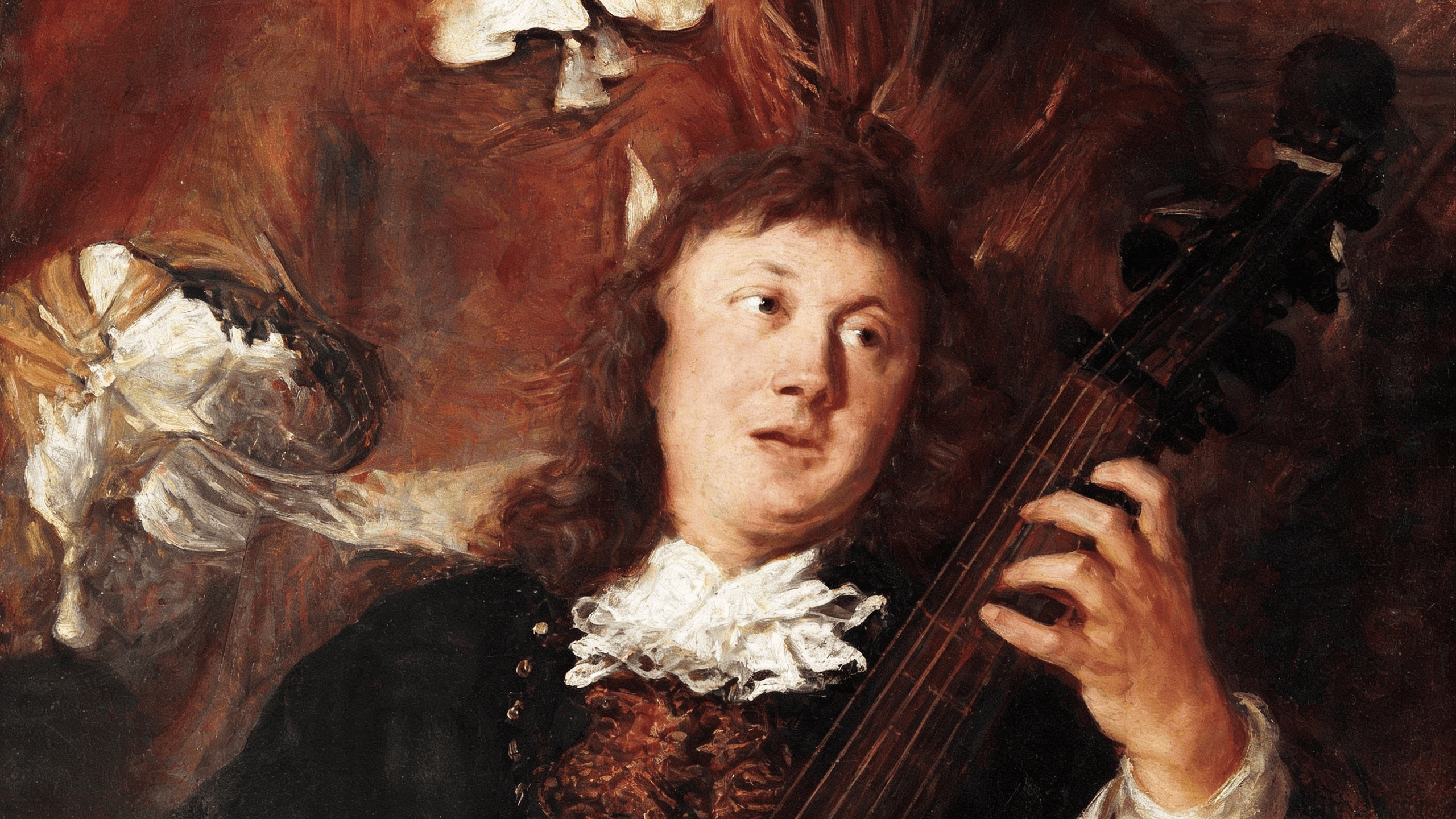
1637 - 1707
Dieterich Buxtehude was born around 1637 and passed away in 1707. He lived at the threshold between worlds. Between Renaissance and Baroque. Between structure and freedom. Between devotion and daring imagination.
Although his name often appears as a footnote to Bach, the truth is that Buxtehude was a towering figure in his own right. In fact, Bach’s legendary journey on foot to Lübeck was undertaken for one reason alone. To hear Buxtehude play. Not once, but repeatedly. That pilgrimage speaks volumes about the esteem in which he was held by his contemporaries.
I personally came to Buxtehude later in life. It happened quietly, almost accidentally, while staying with a remarkable couple in the Portuguese countryside. His music was playing softly in the background. I was immediately struck by its inwardness. Its restraint. Its depth. When I asked who the composer was, the husband smiled and began telling me about Buxtehude, about Lübeck, and about Bach’s long walks just to be near this music for a short while.
Buxtehude’s genius lies in his balance. His organ works carry immense architectural strength, yet they breathe. His sacred vocal works are devotional without sentimentality. There is seriousness, but never heaviness.
I strongly recommend listening to
Gott hilf mir in C Minor BuxWV 34. This dramatic Baroque sacred cantata in C minor is an extraordinary musical drama that masterfully tracks a personal spiritual journey.
It powerfully depicts a troubled soul's transformation, moving from profound despair to a state of hope and confident reliance on God's assistance.
Membra Jesu Nostri, a cycle of extraordinary spiritual intimacy
Passacaglia in D minor, a work that quietly changed the course of keyboard music
What moves me most is that Buxtehude never chased novelty. He served the music, the tradition, and the inner life. That is why his work continues to speak centuries later.
He stands as a reminder that true influence is not always loud or immediate. Sometimes it is slow, inward, and enduring.
With love
SY